Home / Specialties
Total Hip Replacement
Home / Specialties
Total Hip Replacement
Total Hip Replacement in South Korea costs $8,000–$18,000 USD, 50–65% less than the USA ($25,000–$55,000). South Korea has 50+ specialized orthopedic clinics and 120+ board-certified surgeons performing 25,000+ procedures annually. South Korea is known for advanced joint replacement technology, high surgical volumes, and efficient recovery systems for international patients.Source: iCloudHospital Medical Database, 2026
Medically Reviewed By: Dr. Pyo Nasil
Last Updated: March 2026
Procedure Type | South Korea | USA | Japan | Thailand | Savings vs USA |
|---|---|---|---|---|---|
Primary Total Hip Replacement | $8,000–$18,000 | $25,000–$55,000 | $15,000–$30,000 | $7,000–$14,000 | 50–65% |
Revision Total Hip Replacement | $10,000–$24,000 | $35,000–$65,000 | $20,000–$40,000 | $9,000–$18,000 | 45–60% |
Complex/Combined | $15,000–$30,000 | $45,000–$80,000 | $25,000–$50,000 | $12,000–$22,000 | 40–55% |
Total hip replacement pricing varies significantly depending on several clinical and logistical factors. The complexity of the case plays a major role—patients with severe arthritis, bone deformities, or prior surgeries often require more advanced reconstruction techniques and longer operating times. Implant type is another key factor, as premium prosthetics from global brands can increase overall cost.
Most quoted packages in South Korea include the surgeon’s fee, anesthesia, hospital stay, operating room costs, and standard follow-up visits. However, patients should confirm whether physiotherapy, advanced imaging, upgraded implants, or extended hospital stays are included, as these may be billed separately depending on the clinic.
South Korea offers strong value compared to the United States due to its efficient healthcare system, high surgical volumes, and competitive pricing structures. Compared to nearby countries, Korea often sits between Thailand (lower cost) and Japan (higher cost), while maintaining a reputation for precision surgery and structured rehabilitation. Patients should evaluate surgeon experience, implant quality, safety standards, and post-operative care—not just price—when making a decision.
Clinic | Rating | Reviews | Price Range | Specialization | Action |
|---|---|---|---|---|---|
4.7★ | 300+ | $9,000–$18,000 | Joint replacement, arthroscopy, rehabilitation | ||
4.8★ | 250+ | $8,000–$17,000 | Hip & knee surgery, minimally invasive orthopedics | ||
4.8★ | 200+ | $7,500–$14,500 | Joint preservation, spine & orthopedic care |
Surgeon | Clinic | Experience | Procedures | Rating | Specialization |
|---|---|---|---|---|---|
18+ years | 4,500+ | 4.7★ | Artificial joint surgery, hip replacement | ||
20+ years | 5,000+ | 4.8★ | Hip & knee surgery, sports orthopedics | ||
15+ years | 3,500+ | 4.8★ | Joint preservation, spine & orthopedic care |
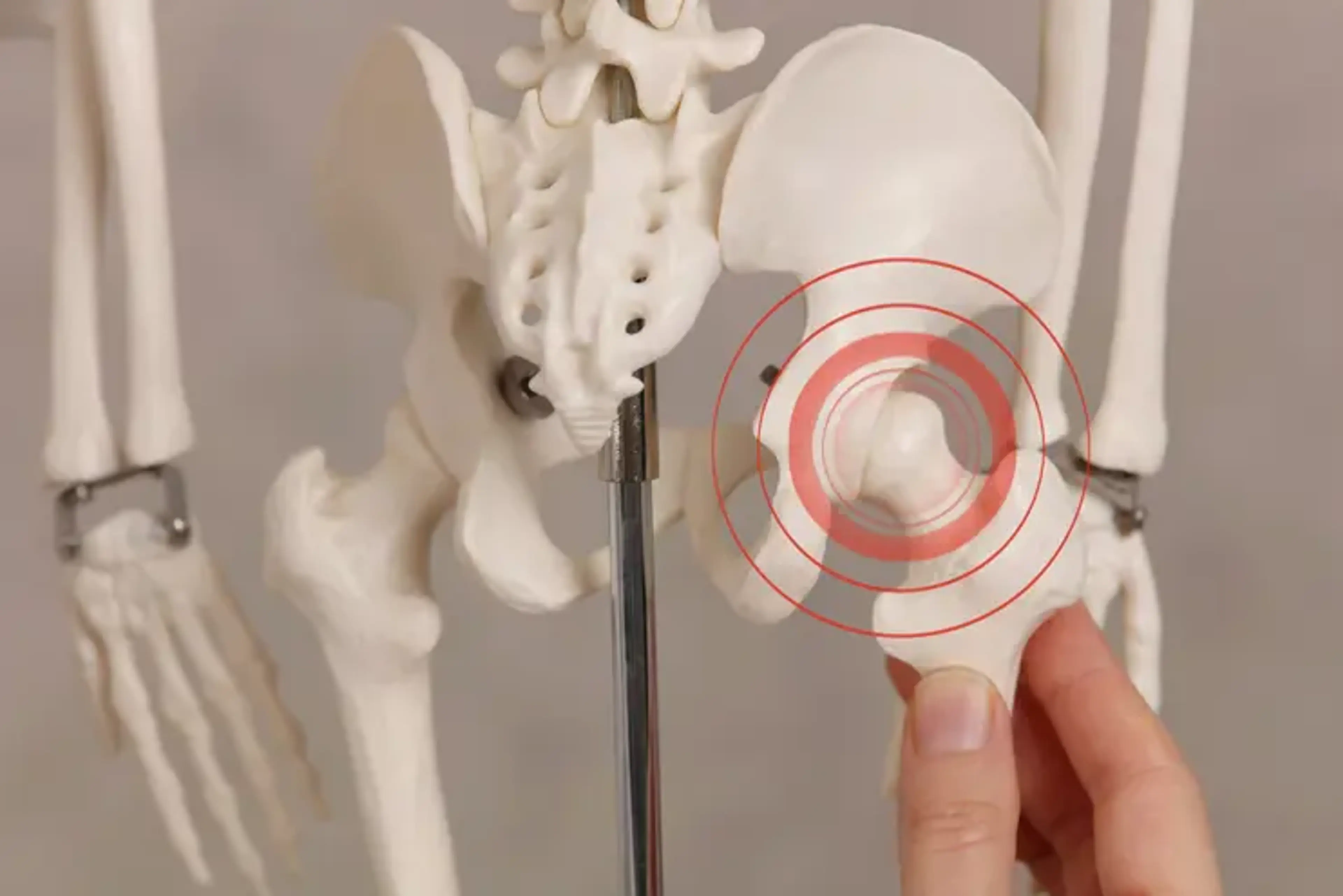
Total hip replacement is a surgical procedure designed to replace a damaged or worn-out hip joint with artificial components, restoring function and eliminating chronic pain. The natural hip joint consists of a ball (femoral head) and socket (acetabulum). In this procedure, both parts are replaced with prosthetic materials such as metal, ceramic, or high-grade plastic.
The surgery is most commonly recommended for patients with severe osteoarthritis, rheumatoid arthritis, avascular necrosis, or traumatic injury. When cartilage wears down, bones begin to rub against each other, leading to stiffness, inflammation, and significant discomfort. Hip replacement eliminates this friction by introducing smooth, artificial surfaces.
Modern techniques in South Korea emphasize precision and personalization. Surgeons use advanced imaging and digital planning tools to ensure optimal implant positioning and alignment. Minimally invasive approaches are increasingly used, reducing tissue damage and allowing faster recovery times.
South Korea is globally recognized for combining high surgical volume with advanced orthopedic technologies. Surgeons often specialize in joint replacement procedures, performing thousands of operations throughout their careers. This level of expertise contributes to predictable outcomes, improved mobility, and long-term implant success.
For patients, the benefits extend beyond pain relief. Many experience restored independence, improved walking ability, better sleep, and an overall higher quality of life. With proper rehabilitation and follow-up care, most patients return to normal daily activities within a few months.
Factor | Total Hip Replacement | Hip Resurfacing |
|---|---|---|
Incision Type | Standard surgical incision | Bone-preserving incision |
Surgeon Visibility | Full joint access | Partial preservation |
Precision Level | High | Moderate to high |
Scarring | Minimal | Minimal |
Recovery Time | 3–6 months | 2–4 months |
Best For | Severe arthritis, older adults | Younger, active patients |
Cost in South Korea | $8,000–$18,000 | $7,000–$15,000 |
Total hip replacement is recommended for patients experiencing persistent hip pain and reduced mobility that significantly affects daily life.
Severe hip arthritis with chronic pain
Difficulty walking, climbing stairs, or standing
Failed non-surgical treatments
Joint damage from injury or disease
Good overall health for surgery
Active infections or uncontrolled medical conditions
Patients unable to follow rehabilitation protocols
Mild symptoms manageable without surgery
Step | Phase | Duration | Details |
|---|---|---|---|
1 | Initial Consultation | 30–60 min | Comprehensive evaluation including X-rays or MRI, mobility assessment, and personalized surgical planning based on joint condition and patient goals |
2 | Pre-Operative Preparation | 1–2 hours | Blood tests, cardiac evaluation, anesthesia clearance, and final implant selection tailored to anatomy and activity level |
3 | Anesthesia Administration | 15–30 min | General anesthesia or spinal anesthesia with sedation to ensure a pain-free procedure |
4 | Surgical Procedure | 1.5–3 hours | Removal of the damaged hip joint followed by precise placement of prosthetic components (socket and femoral stem) using advanced alignment techniques |
5 | Immediate Recovery | 1–2 hours | Close monitoring in recovery unit, pain management, and early circulation support to reduce complications |
6 | Post-Operative Follow-Up | Days 3, 7, 14 | Wound checks, mobility progression, physiotherapy adjustments, and recovery monitoring |
Period | What to Expect | Activity Level | Tips |
|---|---|---|---|
Days 1–3 | Post-surgical discomfort, swelling, assisted standing and walking begins | Supervised walking with walker or crutches | Follow medication schedule, start physiotherapy early |
Week 1 | Improved mobility, incision healing progresses | Short walks indoors, basic daily activities | Avoid bending hips excessively, follow movement precautions |
Weeks 2–4 | Noticeable reduction in pain and stiffness | Increased walking distance, light independence | Continue structured physiotherapy program |
Months 1–3 | Significant strength and mobility recovery | Return to normal daily activities | Gradually increase activity level, avoid high-impact movement |
Months 3–6 | Near-complete functional recovery | Resume low-impact exercise | Strength training and flexibility exercises recommended |
6–12 months | Full recovery and implant adaptation | No major restrictions | Maintain healthy weight and joint care |
Total hip replacement is primarily evaluated by functional improvement rather than cosmetic change. Patients typically experience substantial pain relief, improved walking ability, and enhanced overall mobility within weeks of surgery. Over time, most individuals regain independence and return to normal daily routines with significantly improved quality of life.
Procedure | Starting Price | Best For | Link |
|---|---|---|---|
Revision Total Hip Replacement | $10,000 | Failed implants or complications | |
Hip Resurfacing | $7,000 | Younger, active patients | |
Total Knee Replacement | $7,500 | Knee arthritis treatment | |
Partial Hip Replacement | $6,000 | Limited joint damage | |
Robotic-Assisted Joint Surgery | $12,000 | High-precision procedures |