Home / Specialties
Hybrid Hip Replacement
Home / Specialties
Hybrid Hip Replacement
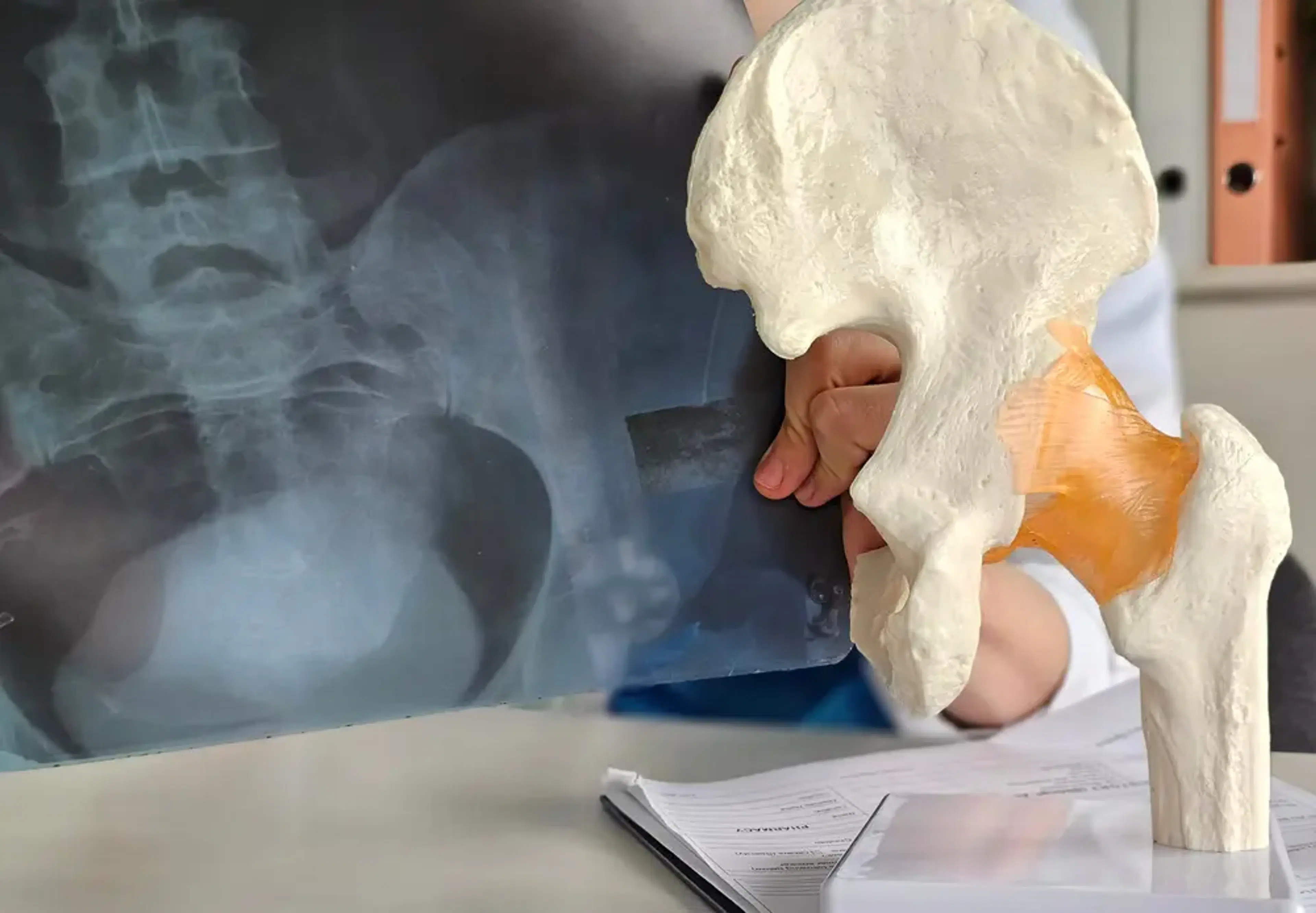
Hybrid Hip Replacement in South Korea costs $8,500–$19,000 USD, 45–60% less than the USA ($28,000–$60,000). South Korea has 50+ advanced orthopedic clinics and 120+ joint replacement specialists performing 20,000+ hip procedures annually. The country is recognized for personalized implant strategies, including hybrid fixation techniques that combine immediate stability with long-term durability.Source: iCloudHospital Medical Database, 2026
Medically Reviewed By: Dr. Ju-kyung Ha
Last Updated: March 2026
Procedure Type | South Korea | USA | Japan | Thailand | Savings vs USA |
|---|---|---|---|---|---|
Primary Hybrid Hip Replacement | $8,500–$19,000 | $28,000–$60,000 | $16,000–$32,000 | $7,500–$15,000 | 45–60% |
Revision Hybrid Hip Replacement | $11,000–$26,000 | $38,000–$70,000 | $22,000–$45,000 | $10,000–$20,000 | 40–55% |
Complex/Combined Cases | $15,000–$32,000 | $50,000–$85,000 | $28,000–$55,000 | $12,000–$24,000 | 40–50% |
Costs vary depending on:
Implant combination and materials used
Bone quality and anatomical complexity
Whether revision or reconstruction is required
Length of hospital stay and rehabilitation intensity
Most packages in South Korea include surgeon fees, anesthesia, hospital stay, and standard follow-up care. Advanced implants, robotic-assisted techniques, and extended rehabilitation may increase total pricing.
Clinic | Rating | Reviews | Price Range | Specialization | Action |
|---|---|---|---|---|---|
4.7★ | 300+ | $9,000–$19,000 | Joint replacement, hybrid techniques | ||
4.8★ | 250+ | $8,500–$18,000 | Hip surgery, minimally invasive orthopedics | ||
4.8★ | 200+ | $9,000–$18,500 | Advanced joint care, spine & orthopedic treatment |
Surgeon | Clinic | Experience | Procedures | Rating | Specialization |
|---|---|---|---|---|---|
18+ years | 4,500+ | 4.7★ | Hybrid hip replacement, joint reconstruction | ||
20+ years | 5,000+ | 4.8★ | Hip & knee surgery, arthroscopy | ||
15+ years | 3,500+ | 4.8★ | Joint replacement, orthopedic care |
Adapt to variations in bone quality between the femur and pelvis
Hybrid techniques are particularly useful in patients where bone density differs between regions, allowing surgeons to tailor the fixation method accordingly.
Factor | Hybrid Hip Replacement | Cemented | Cementless |
|---|---|---|---|
Fixation | Mixed approach | Cement only | Bone ingrowth |
Stability | Immediate + long-term | Immediate | Gradual |
Durability | High | Moderate | High |
Best For | Mixed bone quality | Older patients | Younger patients |
Cost in South Korea | $8,500–$19,000 | $8,000–$16,000 | $9,000–$18,000 |
Patients medically fit for surgery and committed to rehabilitation
Individuals with advanced medical conditions that increase surgical risk
Cases requiring highly specialized reconstruction (e.g., major bone loss)
Patients unable to follow post-operative rehabilitation protocols
Choosing the correct fixation method is critical for long-term success. In some cases, surgeons may recommend fully cemented or fully cementless approaches depending on individual anatomy.
Step | Phase | Duration | Details |
|---|---|---|---|
1 | Comprehensive Consultation | 30–60 min | Detailed evaluation including X-rays, CT scans, and bone density assessment to determine optimal fixation strategy |
2 | Pre-Surgical Planning | 1–2 hours | Laboratory tests, anesthesia clearance, and selection of hybrid implant components |
3 | Anesthesia Administration | 15–30 min | General or spinal anesthesia with sedation for patient comfort |
4 | Surgical Procedure | 1.5–3 hours | Placement of cemented femoral component and cementless acetabular cup for balanced fixation |
5 | Immediate Recovery | 1–2 hours | Monitoring in recovery unit, pain control, and early mobilization planning |
6 | Post-Operative Follow-Up | Days 3, 7, 14 | Wound care, mobility evaluation, and physiotherapy adjustments |
Hybrid procedures require precise surgical execution to ensure proper alignment and fixation of both components, maximizing both short-term and long-term outcomes.
Period | What to Expect | Activity Level | Tips |
|---|---|---|---|
Days 1–3 | Pain, swelling, early assisted walking | Supervised mobility | Begin physiotherapy early |
Week 1 | Improved stability and mobility | Light walking | Avoid excessive bending or twisting |
Weeks 2–4 | Increased independence | Daily activities | Continue structured rehabilitation |
Months 1–3 | Significant functional improvement | Normal activities | Gradually increase activity level |
Months 3–6 | Near full recovery | Active lifestyle | Maintain strength and flexibility |
6–12 months | Final outcome | Full activity (low-impact) | Long-term joint care |
Because this technique combines two fixation methods, it often provides:
Faster early stability compared to fully cementless implants
Strong long-term fixation through bone integration
Improved overall joint performance
Results depend on surgical precision, implant quality, and adherence to rehabilitation protocols.
Procedure | Starting Price | Best For | Link |
|---|---|---|---|
Total Hip Replacement | $8,000 | Severe joint damage | Learn More → |
Cemented/Cementless Hip Replacement | $8,000 | Implant fixation options | Learn More → |
Partial Hip Replacement | $6,000 | Fractures or localized damage | Learn More → |
Hip Resurfacing | $7,000 | Younger active patients | Learn More → |
Revision Hip Replacement | $10,000 | Failed implants | Learn More → |