Home / Specialties
Partial Hip Replacement
Home / Specialties
Partial Hip Replacement
Partial Hip Replacement in South Korea costs $6,000–$14,000 USD, 50–65% less than the USA ($20,000–$45,000). South Korea has 50+ orthopedic clinics and 120+ joint specialists performing 20,000+ hip procedures annually. South Korea is known for precision orthopedic surgery, rapid rehabilitation systems, and high success rates in joint preservation procedures.Source: iCloudHospital Medical Database, 2026
Medically Reviewed By: Dr. Pyo Nasil
Last Updated: March 2026
Procedure Type | South Korea | USA | Japan | Thailand | Savings vs USA |
|---|---|---|---|---|---|
Primary Partial Hip Replacement | $6,000–$14,000 | $20,000–$45,000 | $12,000–$25,000 | $5,500–$11,000 | 50–65% |
Revision Partial Hip Replacement | $8,000–$18,000 | $28,000–$55,000 | $15,000–$30,000 | $7,000–$14,000 | 45–60% |
Complex/Combined | $12,000–$22,000 | $35,000–$70,000 | $20,000–$40,000 | $9,000–$18,000 | 40–55% |
Partial hip replacement, also known as hemiarthroplasty, is generally less expensive than total hip replacement because only one part of the joint is replaced. However, pricing still varies based on surgical complexity, implant type, and hospital facilities.
In South Korea, most treatment packages include surgeon fees, anesthesia, hospital stay, and standard follow-up care. Some clinics also offer international patient services such as translation, transportation, and rehabilitation coordination. Additional costs may apply for premium implants, extended hospital stays, or advanced physiotherapy programs.
South Korea offers a strong balance between affordability and quality. Compared to Japan, prices are lower, while offering similar technological standards. Compared to Thailand, Korea provides more advanced surgical planning and structured rehabilitation programs, making it a preferred choice for many international patients.
Clinic | Rating | Reviews | Price Range | Specialization | Action |
|---|---|---|---|---|---|
4.7★ | 300+ | $7,000–$14,000 | Joint replacement, rehabilitation | ||
4.8★ | 250+ | $6,000–$13,000 | Hip & knee surgery, minimally invasive orthopedics | ||
4.8★ | 200+ | $6,500–$13,500 | Spine & joint care, orthopedic treatment | Compare → |
Surgeon | Clinic | Experience | Procedures | Rating | Specialization |
|---|---|---|---|---|---|
18+ years | 4,500+ | 4.7★ | Joint replacement, hip surgery | ||
20+ years | 5,000+ | 4.8★ | Hip, knee, arthroscopy | ||
15+ years | 3,500+ | 4.8★ | Joint replacement, spine & orthopedic care |
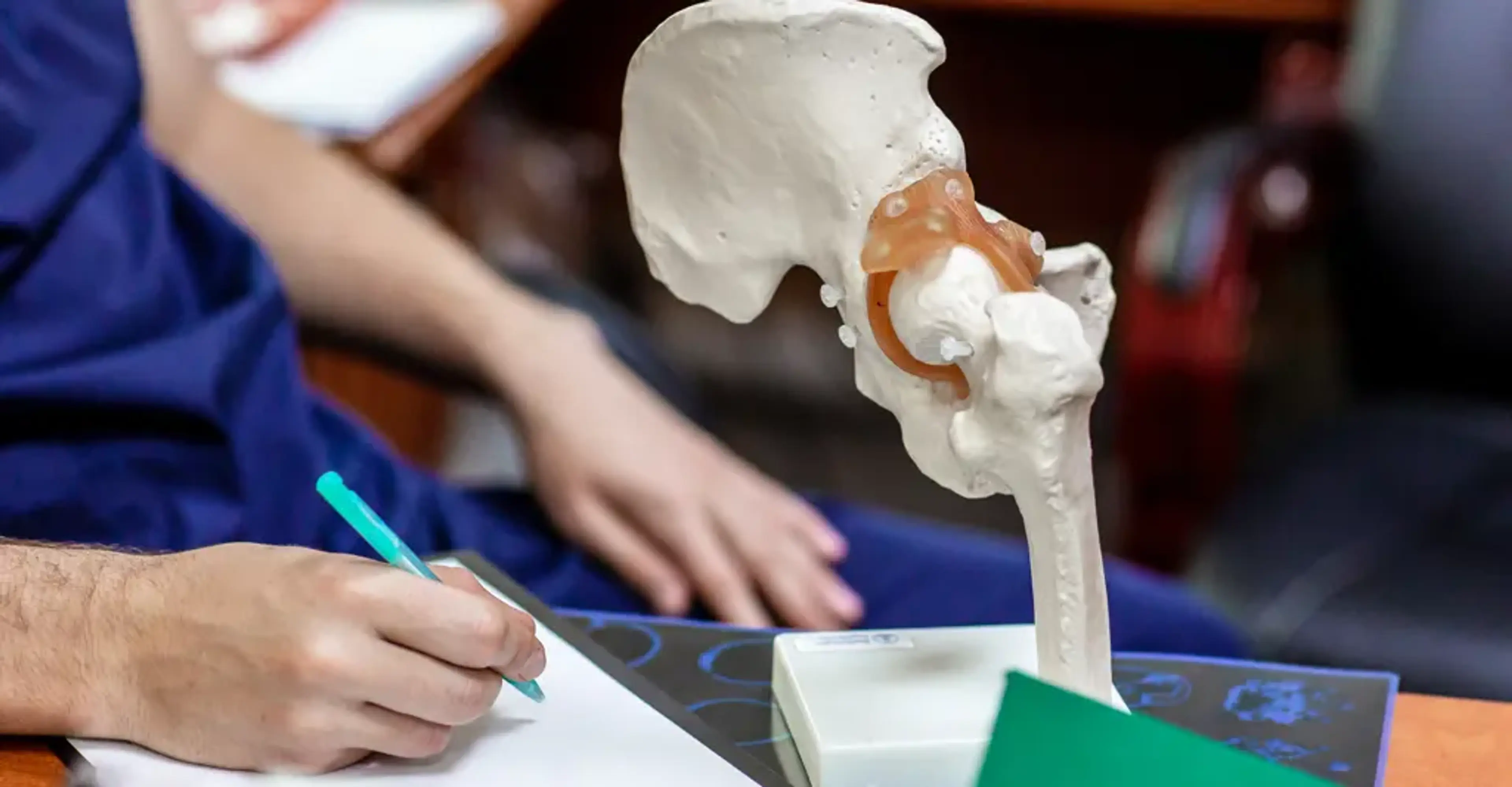
Partial hip replacement, medically known as hemiarthroplasty, is a surgical procedure where only the damaged femoral head (the “ball” of the hip joint) is replaced, while the natural socket is preserved. This approach is commonly used in patients with hip fractures or localized joint damage where the acetabulum remains healthy.
Unlike total hip replacement, which replaces both the ball and socket, partial hip replacement is less invasive and often involves shorter surgical time. It is frequently recommended for older adults with femoral neck fractures or patients who do not require full joint reconstruction.
The procedure involves removing the damaged portion of the femoral head and replacing it with a prosthetic implant. This restores mobility and reduces pain while preserving as much of the natural joint as possible. Because the socket remains intact, recovery can be faster in selected patients.
South Korea has gained recognition for its efficient orthopedic systems and rapid rehabilitation protocols. Surgeons often use advanced imaging and minimally invasive techniques to optimize implant placement and reduce recovery time. Combined with structured physiotherapy programs, patients can expect a smoother recovery experience compared to many other countries.
Partial hip replacement is particularly beneficial for patients seeking a quicker return to mobility with fewer surgical risks. However, long-term outcomes depend on patient selection, bone quality, and proper rehabilitation.
Factor | Partial Hip Replacement | Total Hip Replacement |
|---|---|---|
Joint Replacement | Only femoral head | Ball and socket |
Surgical Complexity | Lower | Higher |
Recovery Time | Faster | Moderate |
Longevity | Moderate | Long-term durability |
Best For | Hip fractures, elderly patients | Arthritis, severe joint damage |
Cost in South Korea | $6,000–$14,000 | $8,000–$18,000 |
Unlike total hip replacement, this procedure is more selective and is most beneficial when preserving part of the natural joint can still provide long-term function and stability. A thorough orthopedic evaluation is essential to determine whether partial replacement will deliver reliable outcomes.
Those medically suitable for surgery and able to participate in rehabilitation
Younger, highly active individuals requiring long-term durability
Patients unable to follow post-operative rehabilitation protocols
Step | Phase | Duration | Details |
|---|---|---|---|
1 | Initial Consultation | 30–60 min | Detailed assessment including X-rays or MRI, mobility evaluation, and confirmation of candidacy for partial replacement |
2 | Pre-Surgical Preparation | 1–2 hours | Laboratory tests, cardiac clearance, anesthesia evaluation, and implant selection based on bone structure |
3 | Anesthesia Administration | 15–30 min | General anesthesia or spinal anesthesia with sedation for patient comfort |
4 | Surgical Procedure | 1–2 hours | Removal of the damaged femoral head and insertion of a prosthetic implant while preserving the natural socket |
5 | Immediate Recovery | 1–2 hours | Monitoring in recovery unit, pain management, and early mobilization planning |
6 | Post-Operative Follow-Up | Days 3, 7, 14 | Wound assessment, mobility progression, and physiotherapy adjustments |
Period | What to Expect | Activity Level | Tips |
|---|---|---|---|
Days 1–3 | Pain, swelling, assisted standing and walking begins | Supervised walking with support devices | Begin physiotherapy early, follow medication plan |
Week 1 | Improved mobility and reduced discomfort | Short indoor walking, basic self-care | Avoid twisting or excessive hip bending |
Weeks 2–4 | Noticeable recovery and improved independence | Increased walking distance | Continue structured rehabilitation program |
Months 1–3 | Significant functional improvement | Return to most daily activities | Gradually increase activity intensity |
Months 3–6 | Near full recovery | Resume low-impact exercise | Maintain strength and flexibility |
Over the following months, patients typically regain independence in daily activities such as walking, climbing stairs, and standing for extended periods. Long-term success depends on proper rehabilitation, implant quality, and adherence to medical guidance.
Procedure | Starting Price | Best For | Link |
|---|---|---|---|
Total Hip Replacement | $8,000 | Advanced joint damage | |
Revision Hip Replacement | $10,000 | Failed implants or complications | |
Hip Resurfacing | $7,000 | Younger, active patients | |
Total Knee Replacement | $7,500 | Knee arthritis treatment | |
Robotic-Assisted Joint Surgery | $12,000 | Precision and accuracy |
