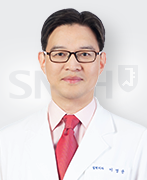
Background and published services
SNUBH’s professional introduction describes Kyung-Hoi Koo as an orthopedic professor whose surgical work has focused on hip arthroplasty. It records graduation from Seoul National University College of Medicine and training at Seoul National University Hospital, and discusses his work with ceramic bearings. The hospital directory lists hip osteonecrosis, hip osteoarthritis and osteoporosis as specialty areas.
How to approach your consultation
For a consultation involving osteonecrosis, bring information about the stage, previous attempts at preservation and changes in symptoms. Ask which features of the imaging determine whether preserving the femoral head remains an option. If replacement is recommended, request a clear explanation of bearing choice and long-term follow-up. Confirm appointment availability through the hospital’s international route.
Education, appointments and research
SNUBH lists Kyung-Hoi Koo as Professor for its Outpatient Department. His medical, master’s and doctoral degrees are from Seoul National University. The hospital biography records a focus on hip arthroplasty and osteonecrosis, an ARCO presidency from 2012 to 2015, and the Korean Hip Society presidency in 2017. These are distinct educational and professional appointments rather than measures of an individual patient’s expected result.
Primary replacement, revision and preservation
His official profile lists total hip arthroplasty, revision hip arthroplasty and hip osteotomy. For a second opinion, state which question you want answered: whether surgery is indicated, whether joint preservation remains relevant, or why an existing implant is causing difficulty. Include the original implant information and a clear symptom timeline when discussing revision. Ask what further testing would change the recommendation and whether the consultation will produce a written assessment for your clinician at home.
Prepare before contacting the team
Send a concise summary of the problem, the affected hip, previous treatment and the question you need answered. Ask how the team accepts original image files and whether a translated report is needed. A first reply from an administrative office may organize the appointment; clarify when a clinician will review the case and what information that review requires.
Before booking a treatment trip, confirm the proposed appointments, investigation schedule and follow-up requirements. Ask for a written estimate that identifies the clinical assumptions and exclusions. If surgery is being considered, discuss where you will stay after discharge, what assistance you will need and who will decide when travel is appropriate. Keep a plan for follow-up in your home country.
Questions for this team
- Which features determine the treatment for my stage?
- What bearing options are appropriate for me?
- What long-term surveillance should I arrange?
Use the answers to compare the proposed care pathway with your priorities. Ask the team to distinguish what is already established from what depends on examination or additional testing. Record the named clinical contact and the next action before ending the discussion.
Official sources and contact routes
Clinical profile / service source ↗Korean website ↗International patient website ↗Source check: 26 October 2026. Confirm appointment availability directly with the provider.
Professional background and service details ↗