Start with your own nighttime plan
Sleeping after hip replacement can be awkward even when daytime recovery is moving forward. The useful question is not simply whether back or side sleeping is best. It is which positions your operating team permits, how you can reach them safely, and what to do when pain or another symptom interrupts the night. There is no single pillow arrangement or number of nights that fits every operation.
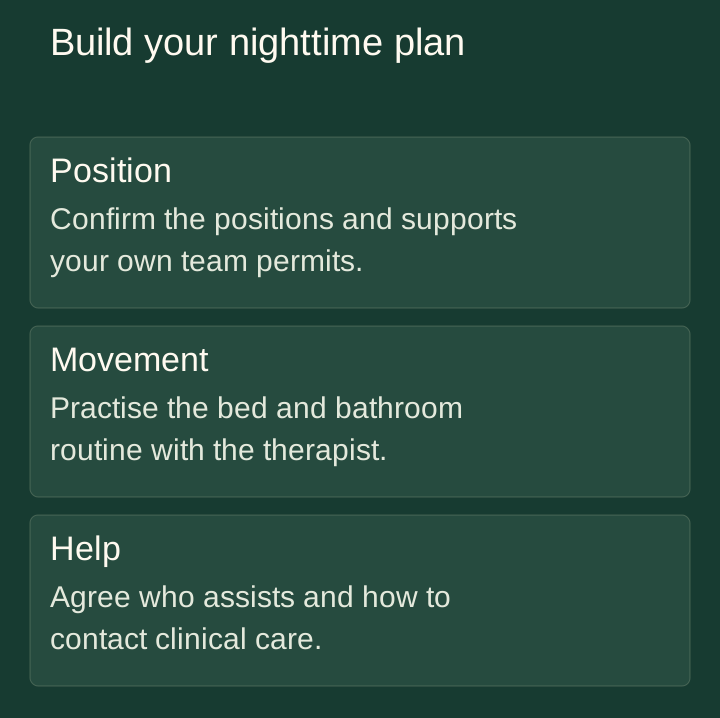
Before leaving hospital, ask for a practical bedtime plan that covers turning, getting into and out of bed, using the bathroom, medicines and help after hours. If you are staying in Korea before returning home, test that plan against the room you will actually use. A hotel mattress, unfamiliar bathroom or absent helper can change what is manageable even though the surgical instructions stay the same.
This guide helps you prepare that conversation. It does not prescribe a sleeping position, replace a bedside assessment or determine whether a new symptom is harmless. If an instruction here appears to conflict with your discharge plan, ask your surgical team to clarify the difference before changing your routine.
Understand what is interrupting your sleep
Discomfort and an unfamiliar sleeping position can contribute to restless nights after replacement, as Newcastle Hospitals' patient guidance explains. Rather than labelling every difficult night “insomnia,” note what actually woke you: pain while turning, pressure on the wound, difficulty settling, a bathroom trip, noise or worry about moving. These descriptions give the team something specific to assess.
Keep the record brief. Write down the approximate time, the problem, what you did within your prescribed plan and whether it helped. You do not need a wearable device or an exact minute-by-minute account. Include the effect the following day, such as being too sleepy to follow instructions or too uncomfortable to complete an essential transfer. That information matters more than comparing your sleep score with another patient's.
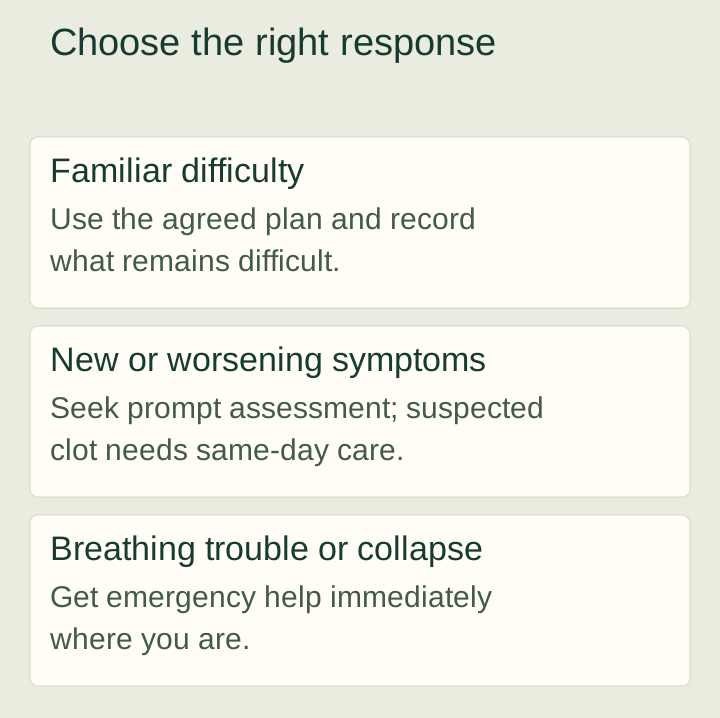
A disappointing night alone does not establish that recovery has failed. Equally, a changing symptom should not be dismissed because disrupted sleep is common. Separate a familiar difficulty that your team has already discussed from new pain, increasing swelling, wound changes or unusual drowsiness. The latter may need a different response, rather than another attempt to adjust pillows.
Why online advice about sleeping positions conflicts
Hospital instructions genuinely differ. Plymouth's hip-replacement leaflet allows either side, while Newcastle's guidance makes some side-sleeping advice dependent on the consultant. These are examples of different care pathways, not competing rules from which to choose the most comfortable answer. The AAOS recovery guide also emphasises following the precautions you were given.
Ask separately about lying on your back, the operated side, the other side and your stomach. For every permitted position, ask whether a support is needed and how to turn into it. If you normally curl your knees toward your chest or twist your upper body independently of your legs, describe that habit. “Can I sleep on my side?” may otherwise leave the movement that worries you unanswered.
Do not assume the name of an approach tells you everything about your restrictions. Ask whether anything about your particular operation changes the plan, especially if this was revision surgery or you received additional instructions. Record who can change the advice and what review will guide that decision. A date copied from another hospital's leaflet is not clearance to stop your own precautions.
If you accidentally wake in a different position, do not repeatedly test the hip to prove that it is all right. If there are no severe new symptoms, follow the movement strategy you were taught and seek advice if you are unsure. Sudden severe pain or inability to move or bear weight needs emergency assessment. Do not walk on the leg or try to reposition the joint if dislocation is suspected; call local emergency services if you cannot move safely. See Alberta Health Services’ advice on when to get medical help. The MedlinePlus dislocation guidance explains why a suspected dislocation should not be forced back into place.
Make the bed workable before buying equipment
Bring the therapist practical information: the bed's height, whether the mattress edge sinks, which side has space for your walking aid, and whether a partner normally shares the bed. A photograph of the room or simple measurements can help explain a problem, although neither replaces an assessment. Ask which features matter for your movement instructions before paying for a specialist mattress, wedge or adjustable chair.
If pillows are recommended, have the therapist demonstrate their purpose and position. Is a pillow providing comfort, keeping your legs supported during a turn, or helping you follow a particular restriction? Ask what to do when it slips and whether you can adjust it yourself. Avoid building a complicated arrangement that you cannot leave safely for the bathroom.
A recliner is not automatically a safer substitute for a bed. Discuss its seat height, depth, controls and the effort needed to stand. The same applies to a low sofa or floor mattress. Ask to practise the actual transfer you will need; choosing furniture because another patient slept well in it does not show that it fits your operation or abilities.
Practise getting in and out while someone can teach you
Request a demonstration and then show the therapist your own attempt. Ask which side to use, where to place your hands and aid, how to support the operated leg if necessary, and what your helper should do. There is no single sequence here because the safe method depends on your restrictions, strength and bed. A written instruction is most useful after you have rehearsed what it means.
Include the whole journey rather than only lying down: approach the bed, prepare to sit, move onto the mattress, reach the permitted resting position, return to sitting and stand with the agreed support. Tell the therapist about shoulder pain, a painful other hip or difficulty gripping, because these can affect how practical the proposed method feels. Do not improvise a pulling or lifting technique for a companion.
Plan the night before you are tired. Put your phone, light switch and prescribed aid within usable reach without blocking the route. Remove loose items and charging cables from the walking area. Decide how you will summon your helper. A person sleeping in another room needs to know that a call means assistance, not assume you will manage alone.
If you feel dizzy or unusually sleepy, do not rush a transfer just because the bathroom feels urgent. Call for help and follow your team's advice. If reaching the bathroom remains impractical, ask about an assessed alternative before discharge. Our hip-precautions guide explains how to translate individual restrictions into everyday tasks.
Review nighttime pain without adding sedatives yourself
Ask the prescriber what to do when pain repeatedly wakes you despite following the plan. Bring the medicine names, actual times taken, effect and side effects. Confirm whether an instruction is scheduled or “as needed,” and what to do about a missed dose. Do not take an extra dose, move several doses together or use someone else's prescription to get through the night.
Opioids combined with alcohol, benzodiazepines or other sedating medicines can dangerously suppress breathing. The FDA warning is a reason to check any sleep aid with the prescriber or pharmacist first, including nonprescription products. Being strongly sedated is not the same as sleeping safely. Do not abruptly stop a longstanding prescribed sedative on your own either; request a coordinated plan.
Tell the team if you have sleep apnoea, use a breathing device at night or already take a medicine for sleep. CDC guidance identifies sleep-disordered breathing as a factor clinicians should consider with opioids. Ask how your existing treatment should continue and whether any extra supervision is needed. Do not change device settings or oxygen treatment without the responsible clinician.
For international travel, keep a medicine list that uses generic names as well as brand names. Ask the team how the schedule should be handled across the journey rather than calculating changes while exhausted. Our pain-control guide covers the broader medication discussion; this page focuses on problems that become apparent at bedtime.
Support rest without turning the day into bed rest
A quiet wind-down and a reasonably consistent routine can make the bedroom easier to settle in. The NHS insomnia guidance discusses a comfortable sleep environment and avoiding late stimulants. Adapt general sleep advice to your postoperative needs: do not skip prescribed rest, essential medicines or needed assistance to follow a generic sleep programme.
Ask the rehabilitation team how to balance daytime rest with your agreed movement plan. Avoid either extreme of pushing yourself until exhausted or staying in bed all day solely to protect the hip. Do not add exercises intended to “wear yourself out.” If daytime sleeping makes the following night difficult, discuss the pattern and your fatigue rather than banning naps regardless of how you feel.
Make the evening less demanding. Arrange meals, necessary belongings and the next day's transport earlier when possible. If worry about rolling over is keeping you awake, ask for another demonstration rather than adding more internet rules. If poor sleep continues to affect coping or participation in care, request a review; you do not have to reach a particular postoperative week before mentioning it.
Know which nighttime changes should not wait
New or increasing one-sided leg swelling, calf or thigh pain, warmth or skin-colour change needs urgent same-day local assessment for possible clot, even without chest symptoms. Do not massage the leg or wait for a routine overseas reply. NHS DVT guidance explains why symptoms require assessment rather than a home test.
Sudden breathlessness, chest pain, collapse or coughing blood after surgery requires urgent help; call emergency services for breathing difficulty, chest pain or collapse. See the NHS pulmonary embolism guidance. Likewise, someone who is difficult to wake or breathing slowly after sedating medicine needs emergency assistance, not more time to sleep. Contact local emergency services where you are and do not drive yourself. See the opioid safety information for medication-related breathing warnings.
Fever, chills, increasing wound redness or drainage, and worsening hip or leg pain require urgent clinical advice; severe illness or rapid deterioration warrants emergency care. The NHS complications guide describes infection and clot warning signs. A night of sleep is not a test that rules these problems out. Keep the procedure date, hospital details and current medicine list accessible to whoever assesses you.
A listed hospital to discuss your recovery arrangements
We recommend considering Asan Medical Center's platform profile when you need a discussion of hip surgery and its recovery requirements in Korea. Its official Hip and Trauma Surgery service describes hip and pelvic surgery, including revision arthroplasty. That service scope is the reason for inclusion, not evidence of a particular sleep outcome or a ranking of hospitals.
If you are considering treatment there, use the official international website to ask which team should review your case. Explain your usual sleep position, relevant breathing condition and planned accommodation. Ask who will teach bed transfers, provide written precautions and respond to clinical concerns after discharge. Confirm the arrangements directly; this article does not establish availability, language support for your appointment or an individual treatment recommendation.
Questions worth settling before your first night outside hospital
When can I sleep normally again?
Ask what “normally” means for you: a preferred position, fewer awakenings or no need for help. These are different questions. Have the team identify the next review and what should prompt earlier contact. A friend's recovery date should not become a deadline for your own progress.
What should my companion know?
They should know the assistance you have been taught, where the current instructions are kept and how to obtain help. Agree who records medicine doses if help is needed so two people do not accidentally give the same dose. Ask the ward to check your shared understanding before departure.
What changes after I return home?
The room and responsible clinicians may change, but restrictions do not end at the airport. Bring the current instructions to your receiving team and arrange review of any unresolved sleep problem. Use our continuity-of-care guide to prepare a handover that includes nighttime assistance, medicines and the person responsible for reassessment.
Sources and further reading
- Newcastle Hospitals: Total hip replacement
- Plymouth Hospitals: Preparing for your hip replacement operation
- AAOS: Activities after hip replacement
- FDA: Opioids, benzodiazepines and other depressants
- CDC: About prescription opioids
- NHS: Insomnia
- NHS: Deep vein thrombosis
- NHS: Complications of hip replacement
- FDA: Opioid safety for patients and caregivers
- Alberta Health Services: When to get medical help
- Asan Medical Center: Hip and Trauma Surgery
- Asan Medical Center: Official international website
- NHS: Pulmonary embolism
- MedlinePlus: Dislocation